No Stairs, No Stress: A 2026 Guide to Accessible UK Playdates That Still Feel Playful
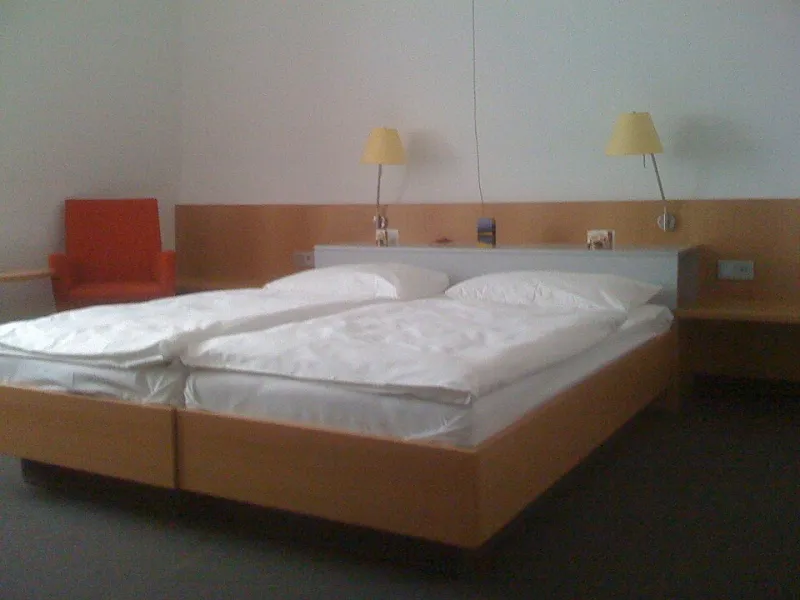
Photo: Martin Kliehm from Frankfurt am Main, Germany, CC BY-SA 2.0, via Wikimedia Commons
There is a tired old idea that accessibility and atmosphere belong in different rooms. They do not. A well-planned playdate is not a clinical exercise in risk assessment; it is the opposite. It is the quiet confidence of knowing the entrance is step-free, the taxi has been booked, the lighting can be dimmed and nobody has to spend the first twenty minutes pretending a narrow staircase is fine when it is not.
On Horney UK, the whole point is discreet, consent-first adult fun with clear age verification. Accessibility belongs in that same sentence. It is not a niche add-on. It is part of making sure everyone arrives, settles and stays in control of what happens next.
Start with the conversation, not the checklist
The best accessibility plan begins long before anyone books a table or a room. It starts with a chat. Not an interrogation, and definitely not a form to fill in. Just a warm, direct exchange about what would make the meet feel easy.
Try something like: 'I want this to be a relaxed one, so tell me what makes a place work for you. Step-free entrance? Quieter corner? Somewhere with a decent loo and no weird lighting? I am happy to do the sorting.'
That does two things at once. It shows you care, and it gives the other person room to say what they actually need rather than what they think sounds low-maintenance. Ask about mobility, sensory needs, energy levels, privacy, seating, temperature and how they prefer to get home. Keep the tone playful. You can be practical without sounding like a building inspector.
And yes, do the age-verification bit through the proper channels before anyone starts planning a candlelit corner. Consent-first starts with verified adults, clear intentions and no guesswork.
Vetting the venue without turning it into a bore
Britain is full of gorgeous old buildings with charming beams, wonky floors and doorways clearly designed for a smaller century. Charming does not always mean accessible. Check before you romance.
Look at the venue's website, access page and recent photos. Use access guides such as AccessAble or Euan's Guide where available. Street View can tell you a lot about cobbles, kerbs and whether the entrance looks like a loading bay with a dream. Then ring the venue and ask specific questions: Is the main entrance step-free? Is there a lift, and what are its dimensions? Is the accessible loo actually accessible, or is it a cupboard with a badge? Is there a quieter area? Can they reserve seating that is not up a flight of stairs?
If you are considering a hotel, ask about accessible rooms, room layout, check-in privacy and whether the bar or lobby has step-free access. Do not assume 'probably fine' is a plan. It is not.
Transport and arrival: the bit that sets the tone
A playdate can be ruined before anyone has taken a coat off if the journey is a mess. Plan door to door. In London, check step-free access on TfL before you suggest a Tube stop that turns out to be a staircase labyrinth. For rail, National Rail Passenger Assist can help, but book ahead where possible. Buses usually have ramps, but pavements and waiting areas vary. Taxis are not a cop-out; they are often the most discreet and least stressful option.
Agree an arrival plan with buffer time. Meet somewhere public first if that feels safer. Share the route. Have a backup. If someone needs to arrive separately for discretion, fine, but make sure that separate arrival does not accidentally leave them stranded or anxious.
Room layout: small tweaks, big difference
If you are hosting, do a ten-minute reset before they arrive. Clear the path from door to seating. Move the coffee table. Make sure the bathroom is easy to reach and the lighting is adjustable. Put water, snacks and anything you might need within easy reach rather than in a cupboard on the other side of the flat. If sensory needs are part of the picture, think about noise, strong smells, harsh bulbs and clutter.
Ask before rearranging someone else's space, obviously. And if you are the guest, say what would help. 'Could we move the chair a bit closer?' is not a demand. It is communication.
The aim is not a show home. The aim is a room where nobody is navigating an obstacle course in their head while trying to flirt.
Keep it playful, not clinical
Accessibility chat can be sexy when it is done with confidence. It is care, not admin. A line like 'I have moved the table, dimmed the lights and booked the taxi for eleven, so the only thing left to decide is what we watch first' does more for the mood than pretending everything is effortless.
Check in as you go. Ask what feels good, what does not, and whether they want more, less or a pause. Use whatever shorthand works for you both, but make sure it is clear. Consent is not a mood killer; uncertainty is. The same goes for access. If someone needs to stop, adjust, move or leave, that should be easy to say and easy to hear.
Have a graceful Plan B
Sometimes the venue is wrong, the lift is broken, the noise is too much or the room is not what was promised. Leave. Rebook. Try somewhere else. No guilt, no sulking, no 'but we came all this way'. A good playdate is not one that survives every obstacle; it is one where everyone feels able to change the plan and still be treated well.
Accessible playdates are not about lowering the bar. They are about raising the standard. Clear communication, verified adults, a bit of forward planning and a room that works for the people in it. That is not clinical. That is just good manners with a flirty edge.